
Prologue · Gstaad 2026
Under the hood.
Twenty-one slides to light the questions. Five days to test them, open the machine, and build something real.
We are building a map that should still work after the product names and headlines change.
1 / 21
Prologue · Gstaad 2026
Under the hood.
Twenty-one slides to light the questions. Five days to test them, open the machine, and build something real.
We are building a map that should still work after the product names and headlines change.
1 / 21
The five-day journey
First we meet it. Then we open it.
101 names the machine. 201 shows how it works. 301 chooses tools. 401 questions truth and power. 501 builds something real.
Each day answers one harder question, and each answer becomes a tool for the next day.
- 101MeetWhat is AI?
- 201OpenHow does it work?
- 301ChooseWhich tool fits?
- 401QuestionWho gains power?
- 501BuildCan we ship it?
2 / 21
Act one · The machine
Who is actually answering?
You type a question. A product sends your words to a model. Now we find out what happens next.
The chat window is only the surface. Company, product, model, context and output are different parts of the system.

3 / 21
It's playing a guessing game.
One word at a time, it predicts what comes next — again and again, unbelievably fast.
The guess is weighted by patterns and context. One chosen token becomes part of the next prediction.
4 / 21
Before it could answer, it trained on an enormous library.
Books, websites, questions, answers — not to memorise them, but to learn the patterns in them.
Training is the long process that changes the model. A conversation later uses those learned weights; it does not rebuild them.

5 / 21
That library came from people.
Every pattern in there started as something a real person wrote, drew or figured out.
Its capabilities, gaps and biases all begin with human work, human choices and the material that was included or left out.
6 / 21
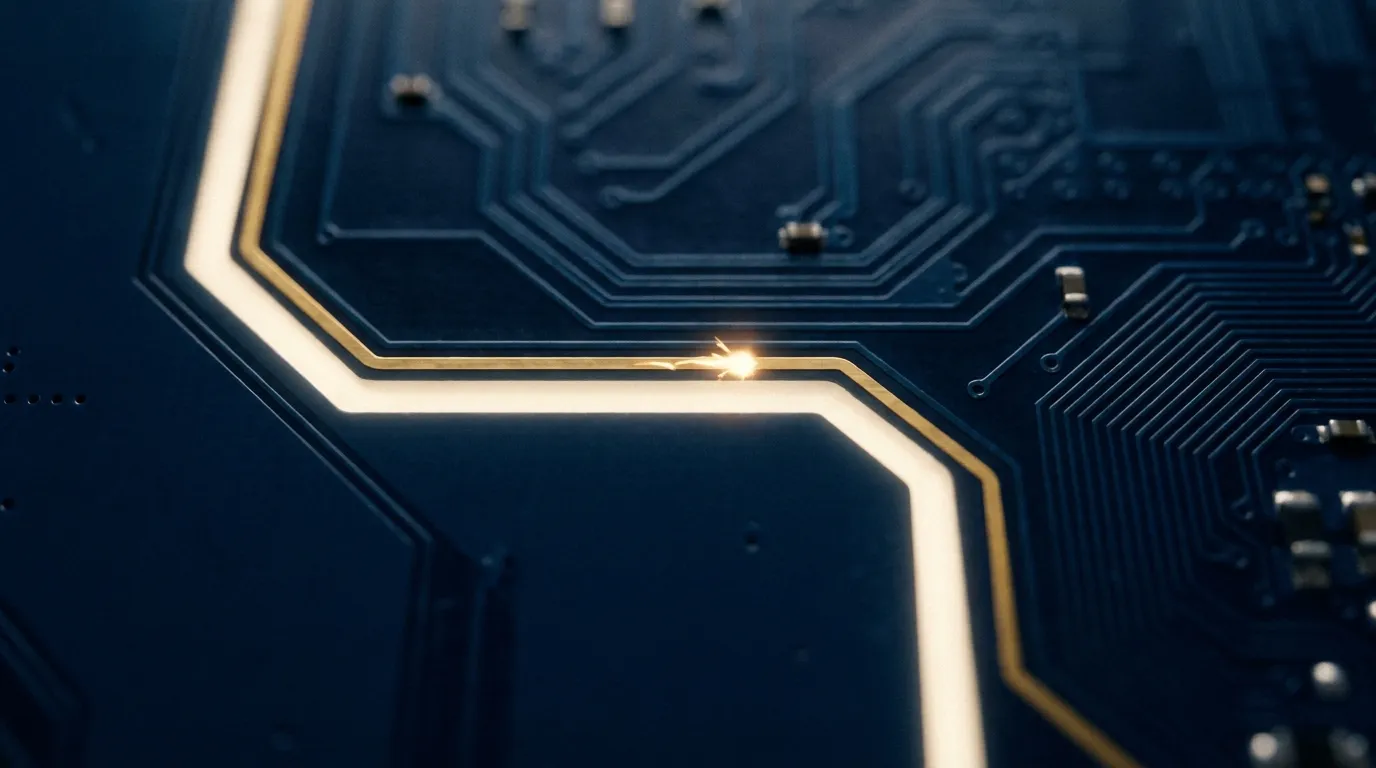
How does electricity become an answer?
A chip does billions of tiny sums a second. Somewhere in that storm of numbers: your answer.
No complete sentence is hiding on the chip. Layers of numerical operations turn token relationships into new token probabilities.
7 / 21
When you use it, its whole world is the desk in front of it.
What you put on the desk is everything it has to work with.
The desk can hold your message, chat history, files, rules and tool results. Context is what is available now; training is what shaped the model earlier.
What you put in front of it
The context window — its desk
nearly full
It only knows what fits here. Run out of room and the oldest bits drop off.
What you get
An answer built from exactly what's on the desk.
Nothing on the desk? It guesses — and that's when it goes wrong.
8 / 21
It can be wrong in a confident voice.
It never mumbles. That's why builders check anything that matters.
The system is rewarded for producing a fitting continuation, not for feeling doubt. Fluency and truth need separate tests.
9 / 21
Act two · Using it
Start from the thing you want to make.
A picture, a song, a website, an answer — each one has its own kind of machine.
Choose the outcome before the tool. Medium, evidence, privacy, control and the cost of being wrong all change the right route.
Start with what you want to make
a song for my friend's birthdayMatch it to the medium
Each model is fluent in one kind of thing — the one it trained on.
…and the tool follows
an audio modelThe whole workshop
10 / 21
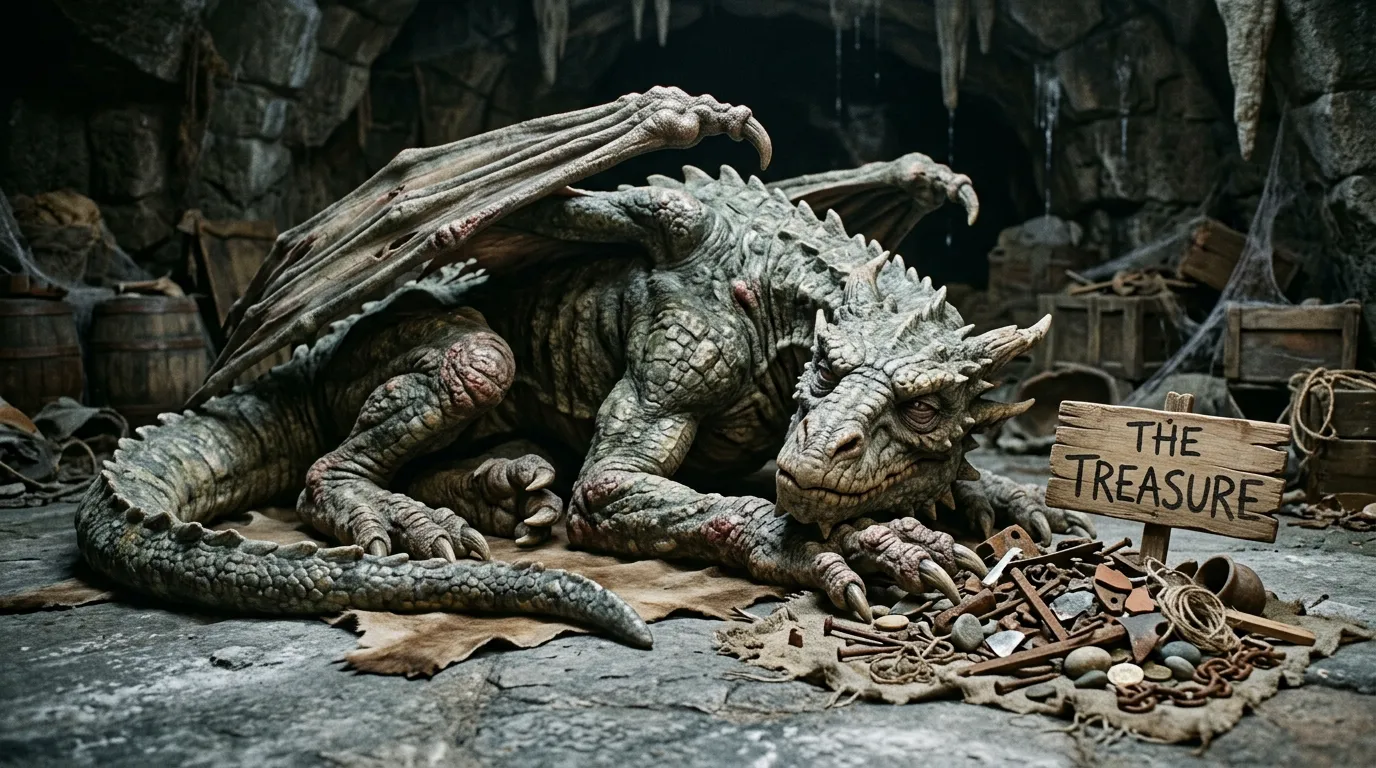
Say it like you see it.
Same machine, same moment — the only difference is the words.
Specific language changes the context the model receives. A useful prompt gives the system a clearer job, not a magical command.

11 / 21
Every picture starts as static.
It removes noise, step by step, until your idea is the only thing left standing.
Image models use a different generation process from language models. The shared idea is that a learned pattern guides many small choices.

12 / 21
Then check what it gave you.
Find two sources that don't copy each other. You're the editor here.
Verification effort should match the cost of a mistake. Open the source, check the date and find the person or record that owns the fact.
The AI says — confidently
“Mount Kilimanjaro is 5,895 m tall, and it grows about 2 cm every year.”
sounds sure of itself
Your check
Any yes → triangulate.Check two sources that don't copy each other.
What you do with it
Confirmed → use it
Can't confirm → hold
You're the editor — not the audience.
13 / 21
Act three · Staying human
After it helps you — do you know more, or less?
One way of using it makes you sharper. The other quietly does your thinking for you.
Notice whether the tool increases your judgment or replaces the part you meant to practice. The same output can hide two very different learning processes.
14 / 21
Your attention is worth money.
Some apps are built to hold onto you. Know when you're using them — and when it's the other way round.
An interface has incentives as well as features. Ask what behavior the product rewards, what it measures and who benefits when you stay.

15 / 21
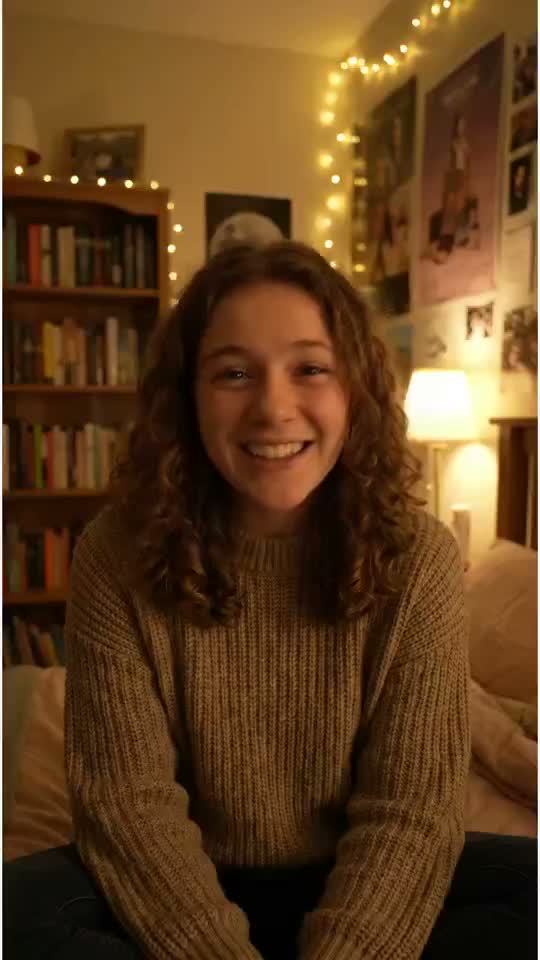
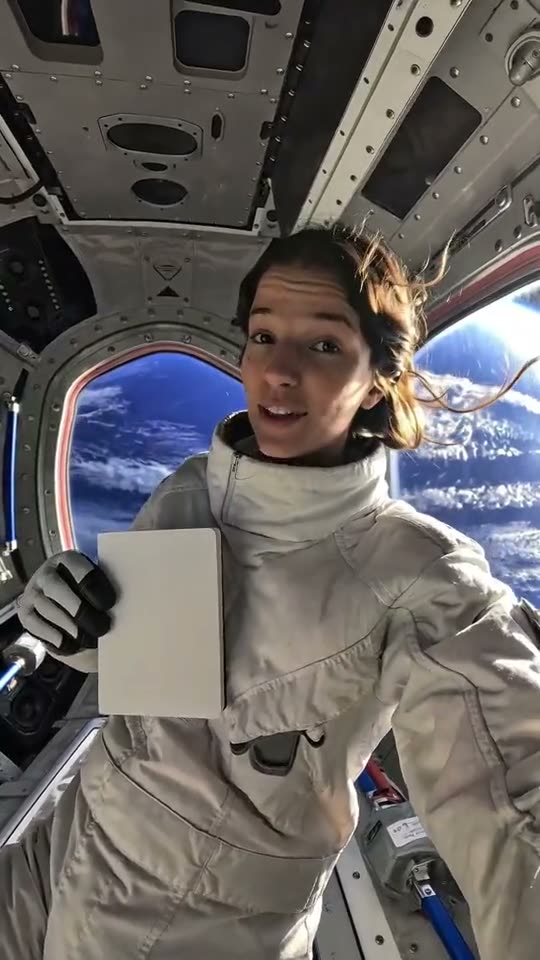
Could you tell what's real?
Sometimes nobody can — by looking. So builders learn to check instead of guess.
Appearance is now weak evidence. Provenance, the original source, metadata and independent corroboration can tell you more than visual confidence.
16 / 21
A film we'll screen later
Could you be an apocaloptimist?
The AI Doc holds fear and hope in the same frame. Don't choose a side yet. Ask what could go wrong, what could go right, what the evidence says, and who gets to decide.
The useful position is not the middle by default. It is the position that keeps updating when the evidence, incentives or human choices change.
17 / 21
Act four · Now you build
Talk it out. Plan it. Build it. Check it. Ship it.
Every real thing goes around this loop — and the loop gets faster every lap.
The model can propose and generate, but the human still sets the goal, watches what happened, tests failure and decides what is ready.
Then you go around again — fixing, adding, polishing. Each lap is faster than the last.
Out the other end: a real thing, live on the internet.
18 / 21
One thing. One person. This week.
What result do you want? What will you make? Who is it for? Answer those and you're halfway there.
A narrow brief creates a real test. If the audience and outcome are vague, the model can produce a lot without helping you finish.
- What result do you want?
- What will you make?
- Who is it for?
19 / 21
Small and finished beats big and abandoned.
You can always build the bigger one next week.
Finishing creates evidence: something to use, test and improve. An oversized idea usually hides the first useful version.
20 / 21
Day one starts here
Now meet the machine.
The prologue gave us the questions. AI 101 starts with the first: what is AI, what is an LLM, and what is actually answering?
The next deck builds one complete map from input to context to model to output to human check.
21 / 21